Owner’s Guide to Choosing and Managing an Insulation Contractor for Lasting Comfort
Starting with a clear plan helps homeowners and facilities managers assess the insulation contractor landscape efficiently. Define rooms or zones with temperature swings, drafty areas, or high utility bills, and capture these observations in simple notes. Then validate your goals: comfort, noise control, or moisture buffering. A concise scope keeps estimates comparable and prevents change-order surprises later. Early clarity also identifies access issues like tight attics or long duct runs that influence time and labor.
Meanwhile, align material choices with building needs and climate realities. Attics often benefit from blown materials that blanket irregular cavities, while rim joists or tricky penetrations gain from spray-applied options. Walls may favor dense fill for coverage without major demolition. Ask bidders to explain why a specific assembly meets your targets and to outline expected R-values by location. Request plain-language descriptions so you can compare apples to apples across proposals.
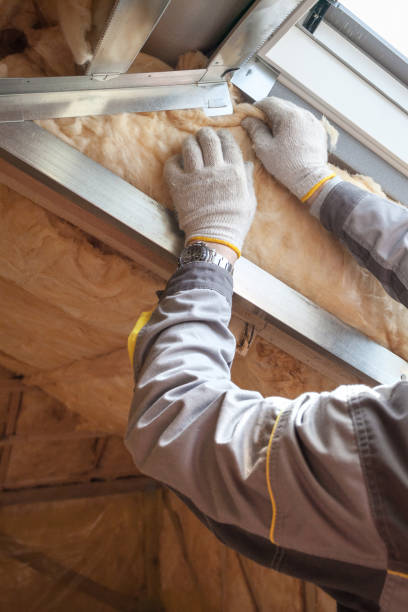
However, material performance is only half the equation; installation quality drives results. Verify contractors describe prep steps such as air sealing penetrations, baffles for ventilation, and thermal break details around framing. For example, attic insulation should not block soffits, and duct chases require careful sealing before any blanket is added. Insist on before-and-after photos for hidden areas. Good crews document their work and explain how each step prevents common comfort and moisture pitfalls.
Beyond that, phase the project to reduce disruptions. In occupied homes, sequence rooms so daily routines continue with minimal dust and noise. In commercial spaces, weekend or off-hour staging can limit downtime. Plan pathways for material movement to protect finishes and maintain safety. A thoughtful schedule also buffers for cure times when using spray foam insulation, ensuring re-entry only after ventilation benchmarks are achieved and surfaces are ready for subsequent trades.
In practice, budgeting improves when you separate must-haves from nice-to-haves. Air sealing critical leaks and adding attic insulation frequently deliver strong returns, while specialty assemblies should be justified by specific problems such as condensation or sound transfer. Ask for base pricing with optional alternates so you can refine the scope without derailing momentum. Transparent line items for removal, disposal, and access work help you compare true total costs among bidders.
Often, moisture control is the hidden driver of long-term success. Specify vapor-smart approaches that respect climate conditions, and request details on attic ventilation and bath fan terminations. Discuss attic mold prevention strategies tied to air sealing and airflow rather than chemicals alone. Duct insulation should be addressed where runs cross unconditioned spaces, and any standing water or roof leaks must be resolved before materials are installed to avoid trapping problems inside assemblies.
Then inspect site readiness before crews arrive. Clear storage for materials, provide power access, and protect valuables in work areas. Crews should lay down coverings, set up containment, and manage waste as they go. Ask how they will validate results—depth gauges for blown products, infrared scans, or blower door tests when applicable. Even simple spot checks, like verifying hatch weatherstripping and insulation alignment, can prevent rework later.
Meanwhile, material selection should reflect the building’s geometry and durability targets. Blown-in cellulose insulation performs well in irregular cavities, while blown-in fiberglass insulation can be advantageous where settling resistance and coverage goals align. Rigid foam insulation supports thermal breaks on continuous surfaces and can add structural racking strength when detailed appropriately. Each choice carries trade-offs for fire safety, drying potential, and accessibility for future service, so weigh lifecycle needs carefully.
Finally, plan for maintenance and future access. Document where dense-fill ports, air-sealed chases, and new assemblies are located. If an Insulation Removal Contractor might be needed later due to upgrades or roof work, labeled access points simplify the job. Keep copies of data sheets and photos for future owners or facility teams. A brief seasonal walkthrough—checking hatches, vents, and ducts—helps maintain performance as building conditions evolve.
Altogether, selecting a contractor becomes easier when you focus on process, not hype. Demand clear scopes, staged workflows, and verifiable outcomes. Insulation services that integrate air sealing, moisture awareness, and right-sized materials tend to deliver durable comfort. With a structured approach to planning, installation, and follow-through, you can calibrate investments to your goals and enjoy a building that performs reliably across seasons without unnecessary complication.